
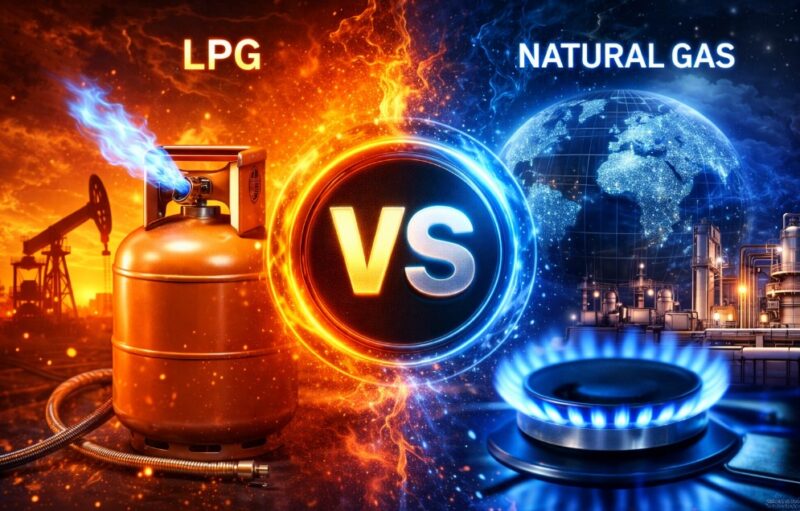
As households, businesses, and governments move toward cleaner energy choices, the comparison between LPG (Liquefied Petroleum Gas) and natural gas has become increasingly important. Both fuels are often positioned as cleaner alternatives to coal, oil, or diesel – but which one is actually more sustainable and eco-friendly in the long run?
This guide takes an in-depth, balanced look at LPG vs natural gas from an environmental, economic, and practical perspective. By the end, you’ll have a clear understanding of how each fuel impacts the planet and which option may be better suited to your sustainability goals.
LPG vs Natural Gas: Sustainability Comparison Table
| Factor | LPG | Natural Gas |
| CO₂ Emissions | Low | Low–Moderate |
| Methane Leakage | Minimal | High risk |
| Infrastructure Impact | Low | High |
| Renewable Alternatives | Bio-LPG available | Limited |
| Rural Accessibility | Excellent | Limited |
| Energy Density | High | Moderate |
Understanding LPG and Natural Gas
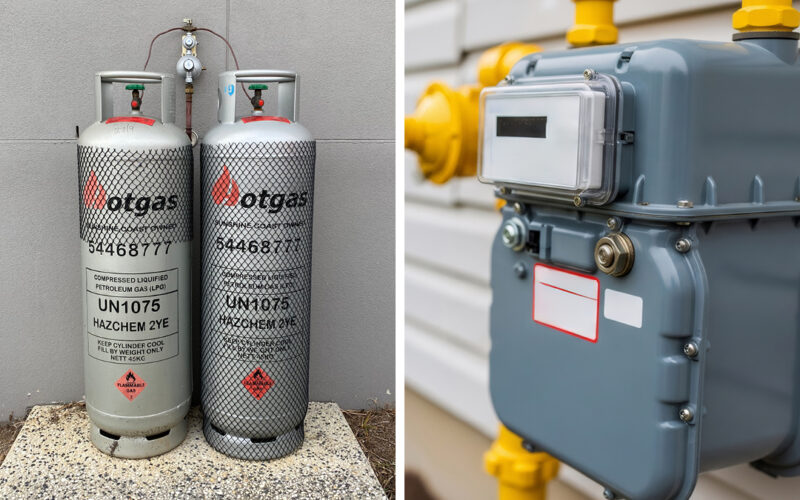
Before comparing sustainability, it’s essential to understand what these fuels are and how they’re used.
What Is LPG?
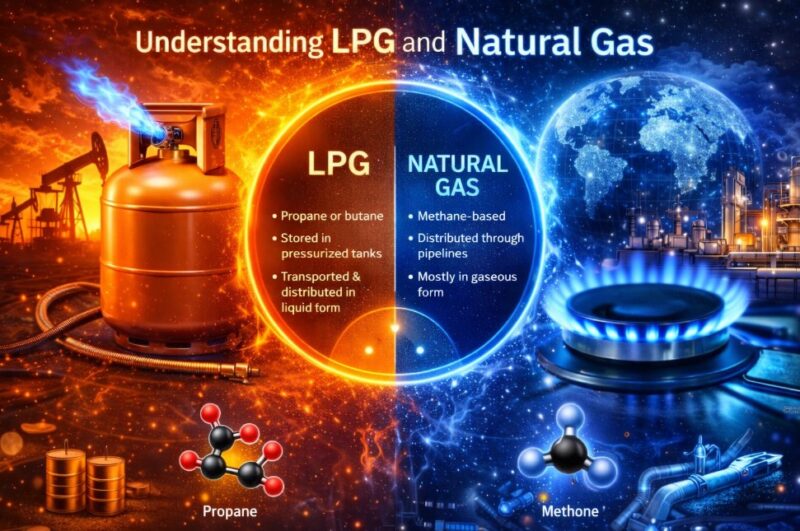
LPG is a mixture of propane and butane, derived as a by-product of natural gas processing and crude oil refining. It is stored as a liquid under pressure and released as gas when used. LPG is commonly supplied in cylinders or bulk tanks, making it highly versatile for residential, commercial, agricultural, and industrial use—especially in areas without gas pipelines.
What Is Natural Gas?
Natural gas is a fossil fuel composed mainly of methane. It is typically extracted from underground reservoirs and delivered through an extensive network of pipelines. Natural gas is widely used for electricity generation, heating, cooking, and industrial processes in urban and suburban regions.
LPG as a Cleaner Energy Option
In discussions about sustainability, lpg gas often stands out for its lower emissions profile compared to traditional fossil fuels. Because LPG burns efficiently and produces fewer pollutants, it is frequently used as a transitional fuel for households and businesses aiming to reduce their environmental footprint without sacrificing reliability.
In Australia, for example, many off-grid homes and rural operations rely on LPG as a cleaner alternative to diesel or coal-based electricity. Energy providers such as Supagas play a key role in supporting this transition by offering efficient, portable, and lower-emission fuel solutions that suit both urban and remote settings.
Carbon Emissions: LPG vs Natural Gas
When comparing the environmental impact of LPG and natural gas, carbon emissions are one of the most important factors to consider. Although both fuels are cleaner than coal and oil, they differ in how much greenhouse gas they produce not only when burned, but also across their entire supply chain. Understanding these emission differences helps clarify which option delivers greater long-term climate benefits and aligns more closely with sustainability goals.
LPG Emissions Profile
- Produces around 20% less CO₂ than coal and significantly less than diesel or fuel oil
- Burns cleanly with very low sulfur dioxide (SO₂) and particulate emissions
- Does not release methane during combustion
Natural Gas Emissions Profile
- Emits less CO₂ than coal and oil, making it cleaner than many fossil fuels
- However, methane leakage during extraction and transportation is a major concern
- Methane is over 25 times more potent than CO₂ at trapping heat in the atmosphere
While natural gas burns cleanly, methane leaks across pipelines and infrastructure can significantly undermine its climate benefits. LPG, by contrast, has minimal leakage risk.
Energy Efficiency and Performance
Energy efficiency and performance play a critical role in determining how sustainable an energy source truly is. While both LPG and natural gas are known for efficient combustion, they differ in energy output, reliability, and suitability for various applications. Examining how effectively each fuel converts energy into usable heat or power helps highlight which option delivers better performance with lower overall energy waste.
LPG Efficiency
- High calorific value, meaning more usable energy per unit
- Performs well in high-heat applications such as cooking and industrial processes
- Reliable pressure and consistent performance even in cold climates
Natural Gas Efficiency
- Highly efficient in power generation and large-scale heating
- Ideal for continuous, grid-connected usage
- Efficiency depends heavily on pipeline condition and infrastructure quality
Both fuels are efficient, but LPG’s portability and high energy density give it an edge in decentralized and off-grid applications.
Environmental Impact Beyond Emissions
Environmental impact goes beyond what comes out of the exhaust or burner. To truly assess sustainability, it’s important to consider the full lifecycle effects of LPG and natural gas, including extraction, processing, transportation, and infrastructure. These behind-the-scenes factors can significantly influence land use, ecosystems, and overall environmental health—sometimes as much as direct emissions themselves.
Infrastructure Footprint
- Natural Gas: Requires extensive pipeline networks that disturb land, ecosystems, and waterways
- LPG: Delivered via trucks and stored onsite, avoiding the need for permanent underground infrastructure
Risk of Environmental Damage
- Pipeline leaks can contaminate soil and water sources
- LPG tanks are highly regulated, sealed systems with a strong safety record
LPG generally has a lower environmental footprint when infrastructure impacts are included in the sustainability equation.
Renewable Energy Compatibility
LPG and natural gas are often described as “transition fuels,” but they differ in how well they integrate with renewable technologies and support a gradual shift away from fossil fuels. Understanding this compatibility helps determine which fuel is better aligned with future-focused, cleaner energy strategies.
LPG and Renewable Transition
- Can be blended with renewable bio-LPG, produced from organic waste and sustainable feedstocks
- Offers a practical bridge fuel while renewable infrastructure scales up
- Compatible with hybrid systems (solar + LPG backup)
Natural Gas and Renewables
- Often positioned as a “bridge fuel” for renewable electricity generation
- However, heavy reliance on natural gas infrastructure can slow full renewable adoption
Bio-LPG is emerging as a game-changer, offering up to 80% lower lifecycle emissions compared to conventional LPG.
Accessibility and Equity
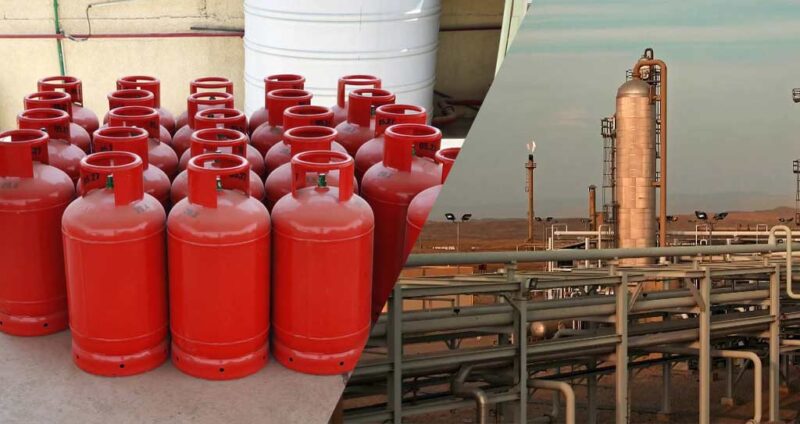
Comparing LPG and natural gas through this lens means looking at who can access these fuels, where they are available, and whether different communities, especially rural and remote ones, have equal opportunities to benefit from cleaner, reliable energy.
LPG Accessibility
- Available in remote, rural, and off-grid locations
- Supports energy access where pipelines are not economically or environmentally viable
Natural Gas Accessibility
- Limited to areas with pipeline infrastructure
- Rural and regional communities often excluded
Sustainability isn’t just environmental—it’s social.
LPG helps bridge the energy access gap, supporting inclusive and equitable development.
Safety and Health Considerations
- LPG is non-toxic and disperses quickly in open air
- Natural gas leaks can accumulate in enclosed spaces if undetected
- Both fuels are safe when used correctly, but LPG’s controlled storage reduces large-scale leak risks
Economic Sustainability
Economic sustainability looks at more than just upfront fuel prices, it considers long-term affordability, price stability, infrastructure costs, and overall value over time.
When comparing LPG and natural gas, factors such as installation expenses, supply reliability, maintenance requirements, and exposure to market volatility all play a role in determining which fuel offers a more economically sustainable solution for households, businesses, and communities.
Cost Stability
- LPG prices can fluctuate but are often competitive in off-grid markets
- Natural gas prices are increasingly volatile due to global demand and supply pressures
Infrastructure Costs
- Natural gas requires expensive pipeline installation and maintenance
- LPG systems have lower upfront environmental and financial costs in many settings
From a lifecycle cost perspective, LPG can be more economically sustainable—especially outside major cities.
Final Verdict: Which Is More Sustainable?
There is no one-size-fits-all answer, but when evaluated across emissions, infrastructure impact, accessibility, and future renewable potential, LPG often emerges as the more eco-friendly and sustainable option, particularly for:
- Rural and off-grid households
- Businesses seeking lower-emission transitional fuels
- Regions without established gas infrastructure
Natural gas still plays a role in large-scale energy systems, but methane leakage and infrastructure dependence present long-term sustainability challenges.